Brand · Digital · Commercial
Selvaggi
A contractor that builds inside working hospitals. The brand said none of it.
- Relationship
- Client
- Years
- 2025 – present
- With
- SELVAGGI BUILT
- My role
- Brand strategy, digital systems and implementation
From the archive
Sources
Related work
- QUANTUM BRANDINGAn independent practice at the intersection of Brand × AI × Business. Work began in late 2023; the practice was established in 2024.Founder and Brand Strategist
- BrandOSA product built from the Quantum Branding practice, encoding and augmenting parts of its work.Product creator
 CaseVERNE JEWELSA completed fractional CMO engagement shaping the luxury jewellery house’s strategic direction, including handover.Fractional CMO · April 2025–August 2026, completedQuantum Branding · Nizzar Ben Chekroune
 CaseAFRICA BUSINESS SCHOOL / UM6PA February–May 2025 engagement combining marketing strategy, brand and content, practical AI applications and support toward an action plan.External expert · marketing strategy, emerging technologies and internal workshopsOriginal film publisher · AFRICA BUSINESS SCHOOL / UM6P
The situation
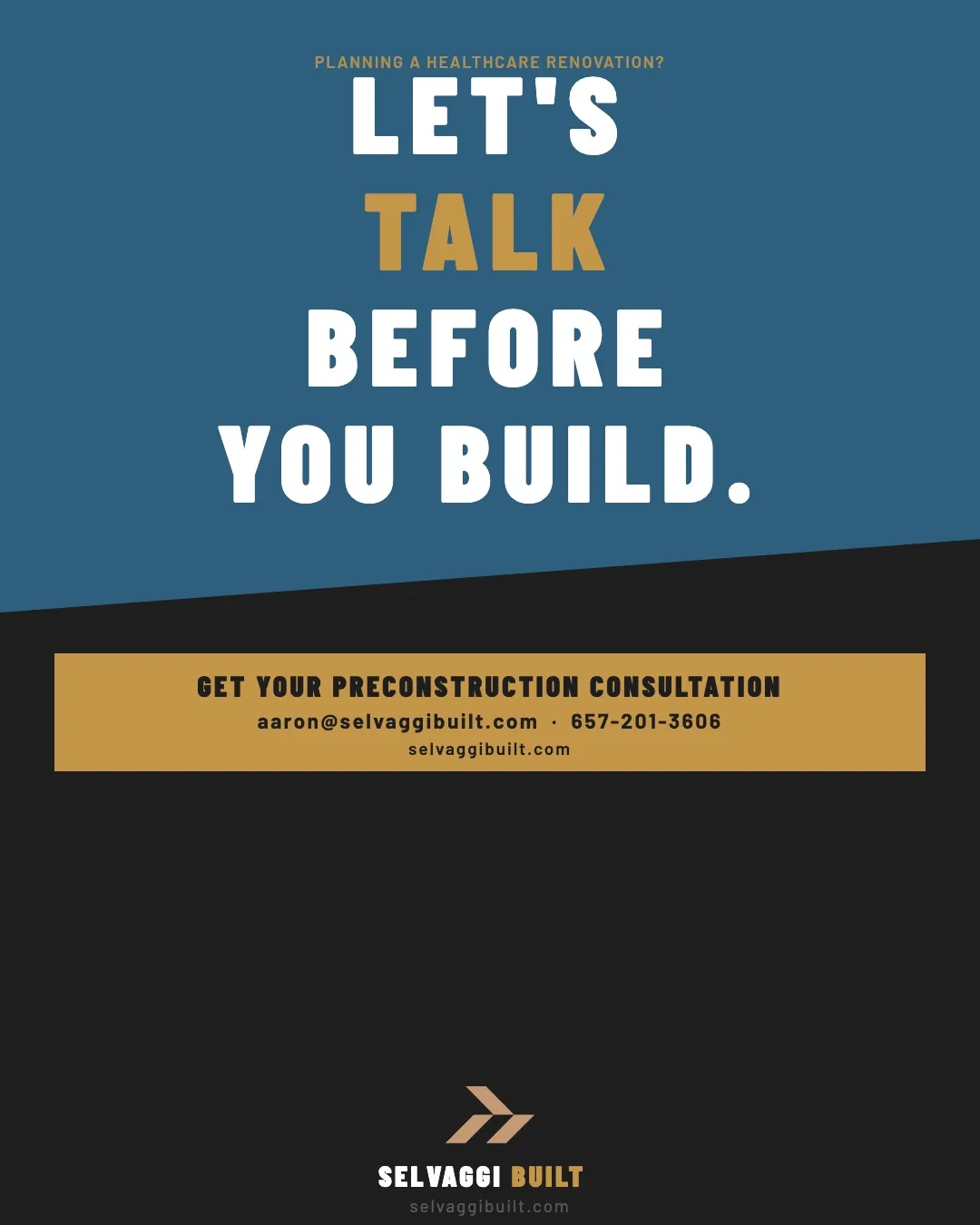
Selvaggi Built renovates medical facilities that stay open during the work. Occupied sites, live wards, no shutdown.
They came asking for marketing. Posts, social, a website that works.
The website was a legacy WordPress build. Images broken on every project page, including the hero and the logo. Around sixty old URLs pointing nowhere. No proper 404, so search engines read dead pages as real content. Shared links rendered blank. The contact form dropped the lead when a visitor mistyped an email. And the site depended on external resources that failed behind hospital firewalls, which is exactly where the buyer sits.
What I saw
Their buyer is a facilities director or a hospital construction lead. That person buys risk avoided. More content would have moved nothing.
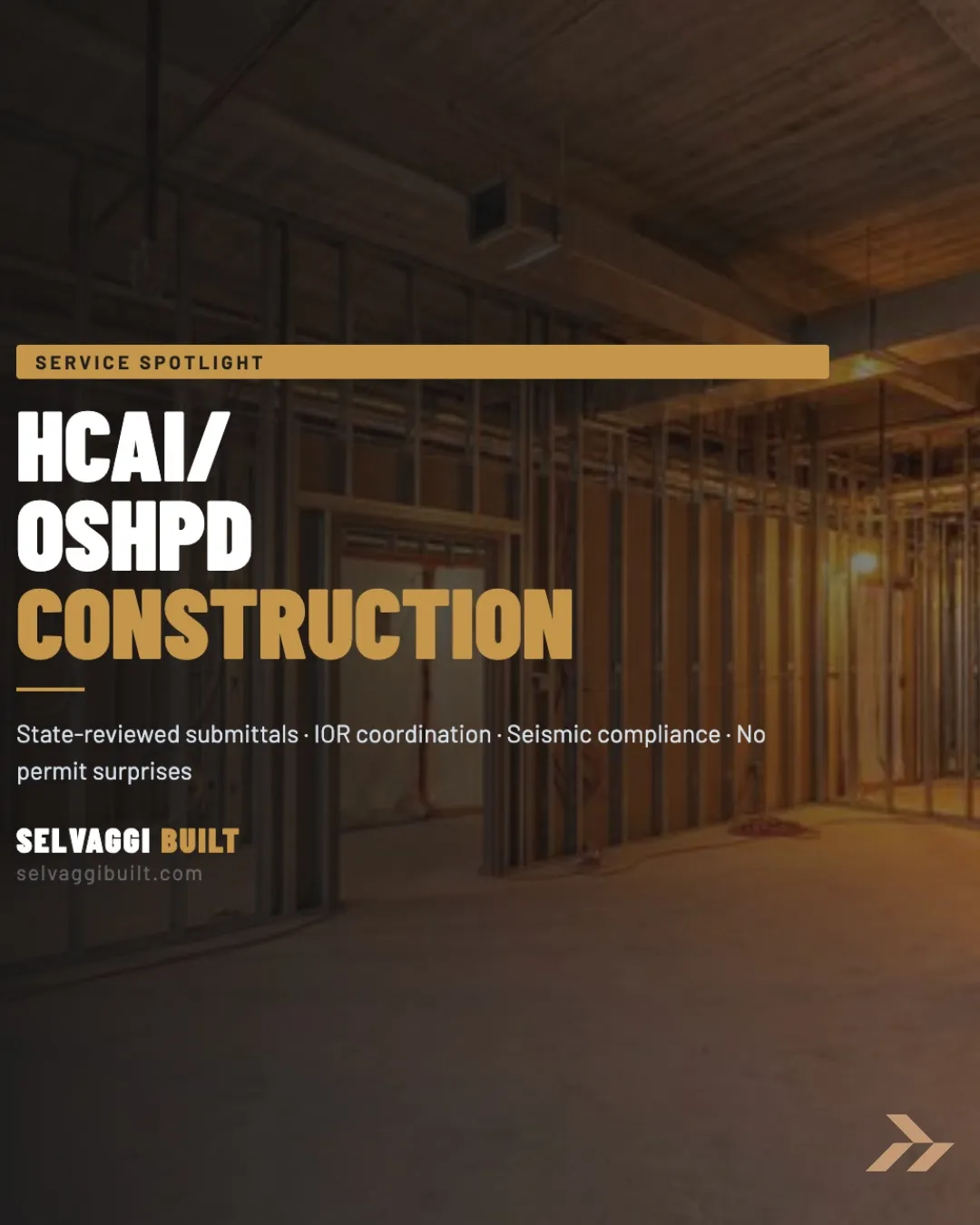
The thing they do that almost nobody does was never written down. Building inside a working hospital: ICRA level 4 containment, HCAI compliance, Title 22, behavioural health, phasing, negative pressure, fire safety. It lived in the founder's head and in the project managers' heads. The website sold quality, in the same words as every competitor.
I named it. Zero-Disruption Protocol. The brand line became Precision Under Pressure.
The decision
Narrow everything to one operational difference the buyer can verify, with LinkedIn as the single channel of substance.
Three directions went out. Expanding into new-build healthcare construction opened a bigger market and put them against better-capitalised generalists on ground where they hold no advantage. A multi-channel presence, because the buyer is not there. Filling the site immediately with generic copy and stock photography.
The cost was real. Refusing new-build cuts the addressable volume. Refusing generic content held the site offline for weeks, waiting on real site photography and three documented projects from the client side. I held the line: no invented client names, no invented metrics, no invented square footage, no invented figures. When your buyer is a hospital procurement office, one invented number ends the relationship permanently.
I decided the diagnosis, the position and the content rules. They decided the trade validation and the pace.
What was built
A complete brand system: five locked colours, a three-token maximum per composition, copper as accent only, Inter, and voice rules that ban marketing vocabulary.
A new website from zero. A single-page application, six routed views, five proof sections, a server-side model proxy with keys never exposed to the client.
The technical debt cleared: around sixty redirects from the old WordPress URLs, a proper 404, working social previews, a contact form that tolerates typos, and a site made self-contained so it loads behind hospital firewalls.
LinkedIn content in versioned series for three distinct voices: the CEO, the marketing director, a project manager. Each with its own voice charter.
An Instagram pipeline in Python, motion design in Remotion, automated financial documents, and conference content for ASHE.
And a custom GPT holding the brand operating instructions under eight thousand characters, so the team produces in the voice without me.
What changed
The positioning narrowed. Occupied-site renovation only. New-build is now explicitly outside the brand.
The channels narrowed. LinkedIn became the single channel of substance.
Around sixty legacy URLs were recovered. The search history transferred to the new site. The contact form stopped losing mistyped leads silently.
The most useful change is internal. They stopped publishing inspirational content with no project attached. They started refusing to ship a post without a concrete fact: facility type, square footage, phasing constraint, standard met. That rule now lives in the system. The team can apply it independently.
The engagement turned on one detail. I was sent a list of broken links to fix. I fixed the list, then kept looking, because the images were still broken. The site referenced its own photographs from the wrong path. On every project page the hero, the gallery and the logo pointed at nothing. The list treated a symptom. I pulled a full inventory of everything the old site had ever published and remapped all of it. That is the moment the work went from marketing to foundations.